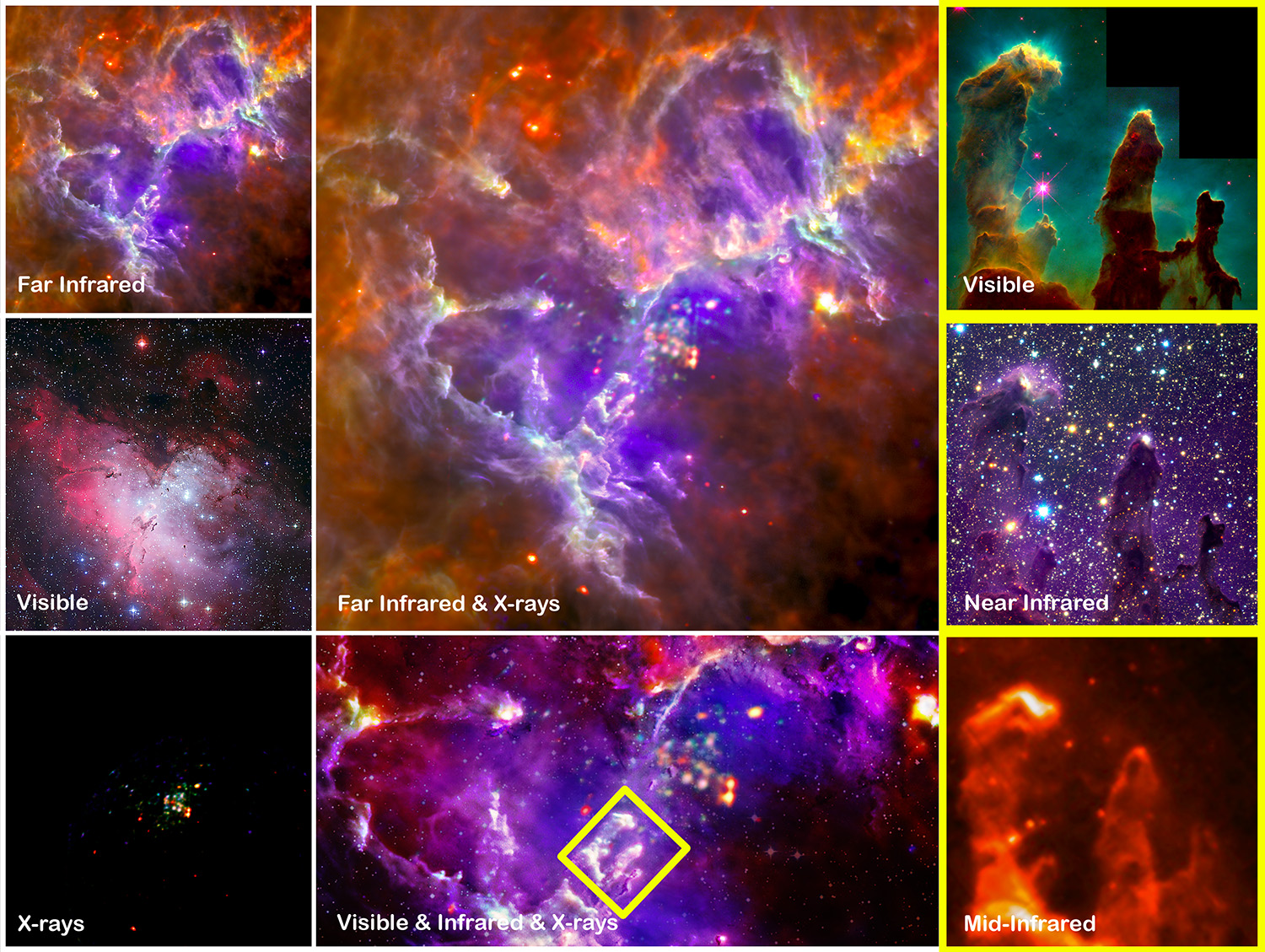
Star formation & the interstellar medium
How stars are born: molecular line and continuum studies of star-forming regions, their chemistry, shocks and outflows, at millimetre to far-infrared wavelengths.
Read more →Emeritus Professor of Astronomy · The Open University & RAL Space, Rutherford Appleton Laboratory
I study how stars and planets form, build the instruments to see them, and develop artificial intelligence applications to study them using ground based telescopes and space observatories.
My research
I am Emeritus Professor of Astronomy in the Astrophysics Group of the Department of Physics & Astronomy at The Open University, and also held a joint appointment as Research Group Leader in the Space Science and Technology Department at RAL Space, Rutherford Appleton Laboratory. My career has focussed on studies of star formation, searches for transiting exoplanets, surveys of the extragalactic Universe, AI and Artificial General Intelligence (AGI) for astronomy, and the detectors and space instruments that make them possible. This work covers observations with radio, millimetre, submillimetre, optical, infrared, far-infrared and X-ray telescopes, from the ground and from space.
I was previously Professor of Physics & Astronomy at Queen Mary College, University of London and Professor of Space Science at the University of Kent. I have also had visiting sabbatical positions at the University of Tokyo, at Stockholm Observatory, and at the Cavendish Laboratory, University of Cambridge.
My programme runs from the chemistry of collapsing clouds to the detectors that record their light — full detail on the research page.
How stars are born: molecular line and continuum studies of star-forming regions, their chemistry, shocks and outflows, at millimetre to far-infrared wavelengths.
Read more →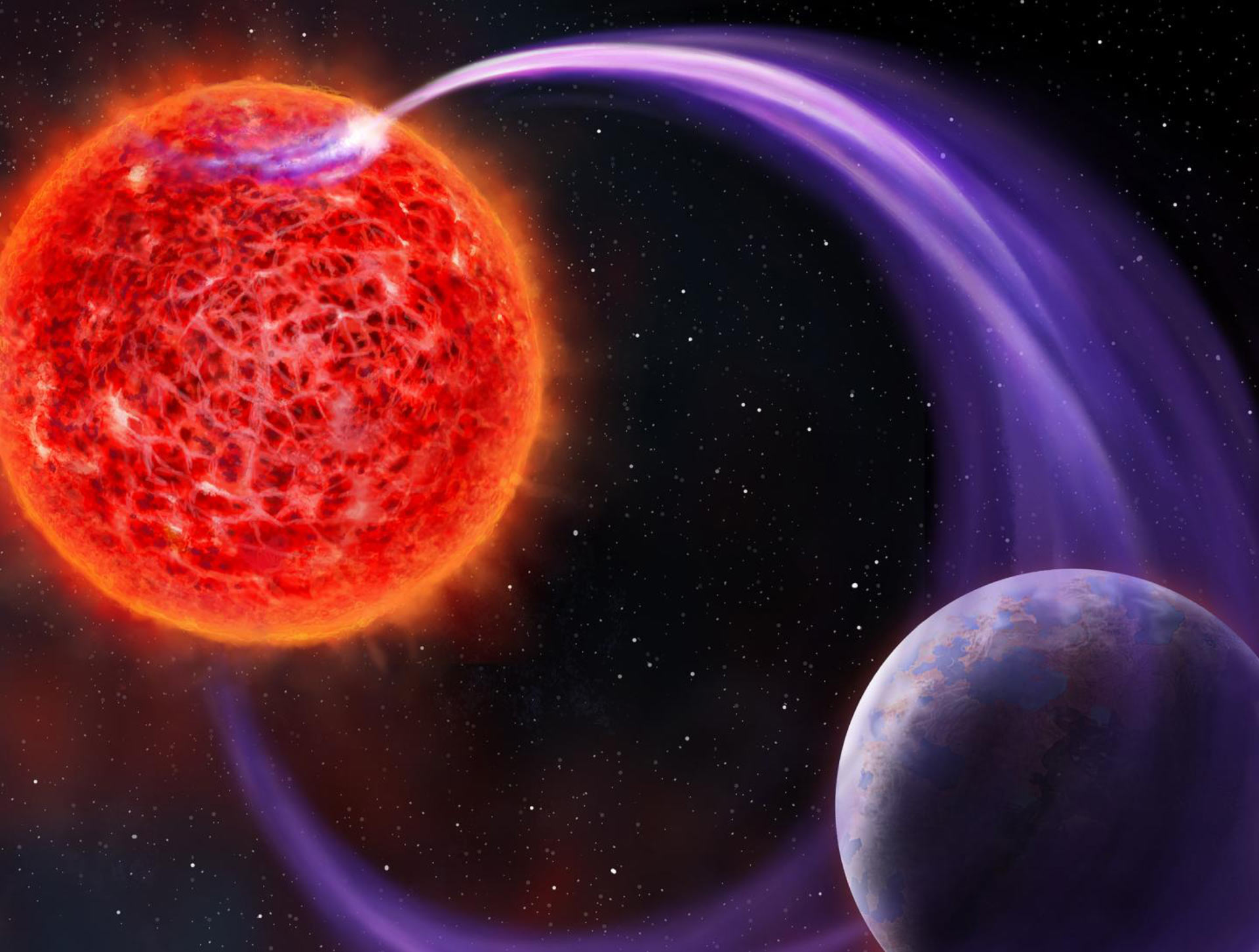
Transit searches for planets around other stars — including a research programme using NASA’s STEREO satellites — together with asteroseismology of pulsating stars.
Read more →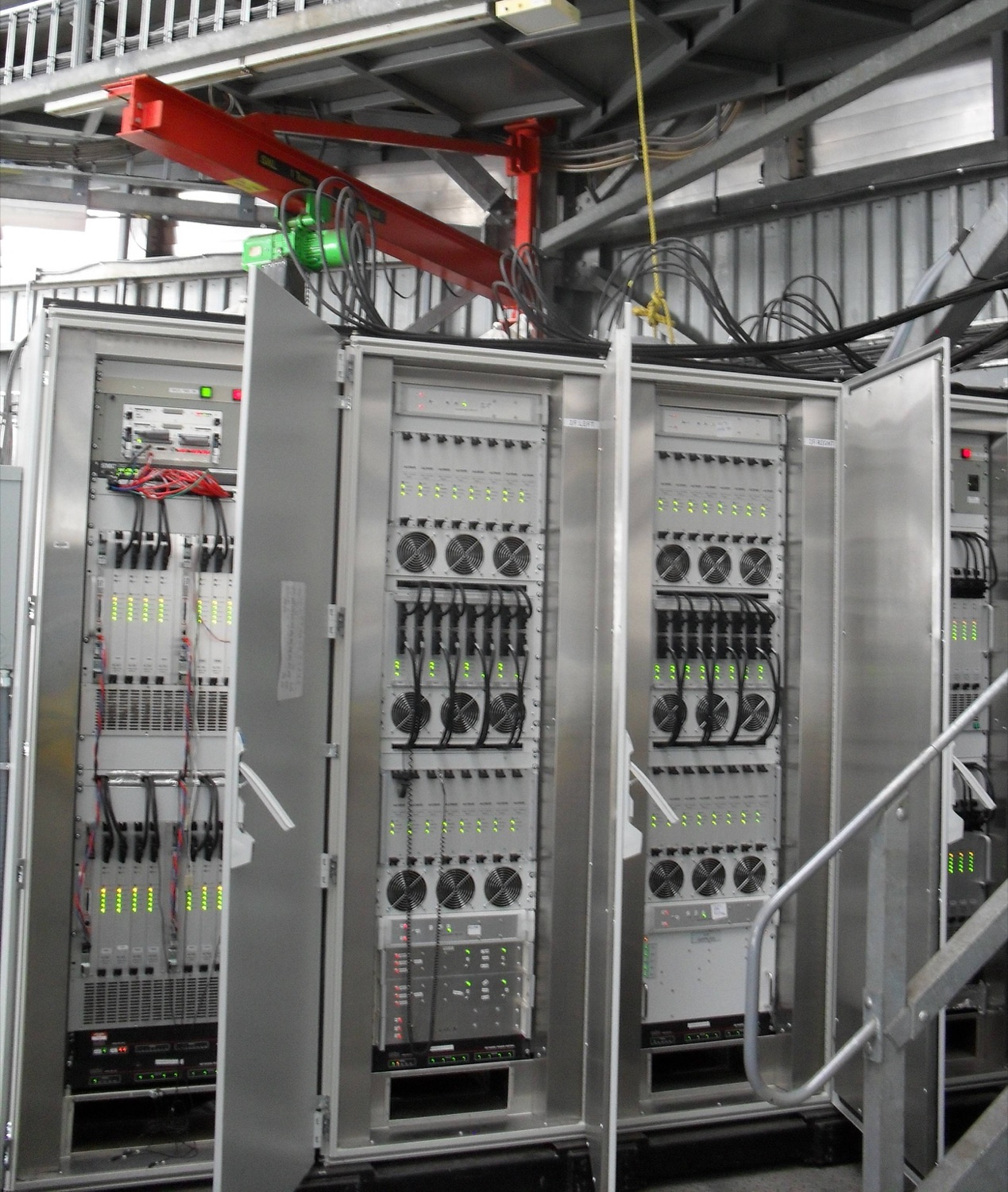
Building cryogenic heterodyne receivers and hot-electron superconducting microbolometers for millimetre, submillimetre and far-infrared astronomy, for ground and space based telescopes.
Read more →